Application vulnerability monitoring
More effectively monitor vulnerabilities in your critical applications and APIs with Contrast Application Detection and Response (ADR) Learn more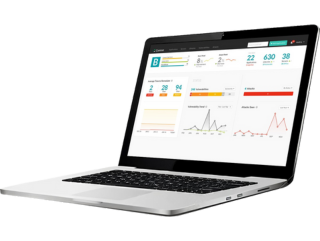
Table of Contents
What is a web application vulnerability monitoring?
Application vulnerability monitoring helps organizations shrink their attack surface by identifying and prioritizing vulnerabilities that pose the greatest risk. It adds context to attack vectors with vulnerability data, enabling faster and more effective triage and response.
This empowers teams to focus remediation efforts where they will make the most impact. With real-time insight into production applications, security teams can proactively reduce exposure by implementing compensating controls while developers work on permanent fixes.
What are the goals of application vulnerability monitoring?
The goal of application vulnerability monitoring is to enable Security Operations Center (SOC) teams and SecOps professionals to gain continuous visibility into the actual threat exposure of their applications in production, enabling proactive risk mitigation.
Minimizing the number of potential entry points for attackers is essential for reducing risk and strengthening security posture. Organizations need continuous visibility into the actual vulnerabilities that exist in their production applications and APIs, combined with the ability to detect and respond to real-time attacks.
How does application vulnerability monitoring work?
The Contrast platform reduces risk by providing continuous visibility into attacks and vulnerabilities in production environments. It delivers ongoing insight into the actual exposure created by vulnerabilities in running applications, going beyond static code analysis and theoretical assessments to pinpoint the weaknesses that pose the greatest risk in production.
This allows security teams to prioritize remediation efforts based on real-world exploitability and threat data.
What are the best practices for application vulnerability monitoring?
By combining real-time threat detection with proactive vulnerability management, organizations can effectively reduce their attack surface, accelerate incident response, and defend against the most sophisticated threats.
Traditional security tools fall short. Too much of application and API testing happens in pre-production, focusing on theoretical risks rather than actual threats in live environments. Point-in-time vulnerability scans — whether in production or pre-production — provide only a limited snapshot of potential defects, leaving organizations with a false sense of security.
Furthermore, many security tools focus on perimeter security, neglecting insight into the inner workings of the critical application layer where attacks increasingly originate. To effectively secure applications, organizations need a solution that can detect and respond to attacks in real time, provide deep visibility into vulnerabilities, and reduce the overall attack surface.
Applications are mission-critical, driving innovation, customer engagement and revenue growth. However, that reliance also makes them a prime target for threat actors. Organizations must adopt a comprehensive and proactive approach to application security to protect their critical assets and maintain the trust of their customers.
What are application vulnerability tools?
The Contrast platform addresses critical application security challenges by combining attack detection and response with continuous application vulnerability monitoring — all in a single solution.
The Contrast agent secures applications from within by gathering security telemetry as code runs, using a variety of instrumentation techniques. Contrast continuously monitors applications for vulnerable code and detects attacks that exploit vulnerabilities, including both known and zero-day exploits.
This continuous monitoring identifies vulnerabilities in production applications, providing SecOps teams with the actionable intelligence needed to prioritize remediation efforts. Teams can understand the true risk posed by each vulnerability and implement compensating controls where immediate fixes aren't feasible — minimizing the window of exposure and reducing the likelihood of a successful attack.
Interested in seeing the Contrast platform in action?

