Software supply chain attacks
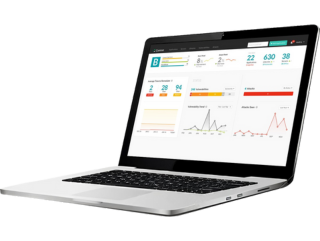
Table of Contents
Software supply chain attacks occur when an attacker inserts harmful code or behavior into software components that an application depends on. These attacks often appear inside libraries, build systems or deployment tools. Effective software supply chain security requires identifying these threats early, which can be difficult because harmful behavior often blends into normal application activity until it executes at runtime.
Why is runtime context important for supply chain defense?
Runtime context provides the information needed to see how a library functions during actual operation. Tools that only scan static files cannot determine if a library is actively used by the application. Runtime context also identifies if the application ever executes the code within a specific dependency. It tracks whether data from a third-party source moves toward sensitive areas, such as a database or a file system.
It also detects whether a library performs actions outside its expected purpose, such as opening a network connection to a location the application does not normally communicate with. Without this information, teams must rely on lists of reported flaws, which often leads to many alerts for code that is never used.
AI-generated code in the software supply chain
The software supply chain now involves code produced by AI assistants and automated agents. This shift introduces AI software supply chain risks that differ from traditional development. AI models frequently suggest code that uses insecure library versions or outdated patterns because they prioritize functionality over security.
Because AI might produce unique code for every request, it lacks the history and peer review associated with standard open source projects. This renders traditional detection methods ineffective because the code does not match any known malicious signatures in the database.
Why runtime security is required for AI-driven development
As the variety of code increases, static analysis tools cannot keep pace with the logic produced by AI. Only runtime application security can verify the actual behavior of this code during execution. Runtime security identifies if AI-generated code attempts to perform unauthorized actions, such as exfiltrating data or bypassing authentication, regardless of the original intent.
AI often makes design changes that appear correct but violate security rules. Runtime analysis identifies these issues by observing the actual data flow through the application.
How the Contrast runtime security platform addresses supply chain attacks
The Contrast platform uses instrumentation to monitor the application while it runs. This provides a direct view of how third-party code interacts with the rest of the system.
Contrast Security AI capabilities
The Contrast platform uses AI to help organizations manage risks from both human and AI-generated code. This capability transforms security data into a usable format for remediation. Contrast AI uses the context from runtime instrumentation to produce specific remediation instructions. For vulnerabilities in third-party libraries, the platform uses a feature called SmartFix to generate pull requests. These pull requests provide the exact code changes needed to resolve the issue and include a test case to verify the fix. Because this process relies on runtime data, the AI understands the execution path. This ensures that the fix is accurate and does not interfere with application functionality.
Integrating with AI coding agents
Contrast provides a server for the Model Context Protocol (MCP), which allows organizations to connect AI coding agents to Contrast security data. This enables an AI agent to check for active vulnerabilities and reachable libraries during the coding process. By giving the AI assistant access to security data from the runtime environment, Contrast ensures that the AI focuses on fixing the most critical risks in the software supply chain.
Identifying reachable dependencies
Contrast shows which libraries the application actually loads and runs. If the application does not use a library, a vulnerability in that library cannot be exploited. This allows a focus on components that represent an actual attack path, a process often referred to as reachability analysis.
Detecting malicious activity
Because Contrast observes the execution flow, it can identify when a dependency acts in a way that suggests a compromise. If a library attempts to access environment variables or run system commands it does not need, the platform identifies the action as it happens. This detection is based on the code's behavior, so it does not require a pre-existing vulnerability record.
Preventing exploitation at runtime
The platform can stop attacks that target flaws in third-party libraries. When a request attempts to trigger a vulnerability in a dependency, Contrast recognizes the attempt during execution. It can block the specific action within the application, which allows the system to remain secure while the team prepares a permanent update.
Maintaining an accurate inventory
Contrast generates a live inventory of every component that is currently active in the application. This provides a clear view of the software supply chain at any moment. If a new issue is discovered in a common library, the platform shows which applications are using that version and whether the code is actually running.
Risks of a compromised supply chain
Operating without runtime visibility into the supply chain creates several risks. An actor can remain within a system for a long time if they use a library with no reported vulnerabilities. Security teams often spend significant time on alerts for libraries that are present but not used by the application. Without a live inventory, identifying every location where a compromised component exists is slow and difficult.
How to improve supply chain security
Improving security requires a move from static scanning to runtime analysis. Organizations should use tools that verify code behavior during execution. A security system must be able to block unauthorized actions that originate from third-party libraries. This approach ensures that defense is based on what the code does rather than just its version number.
