
X
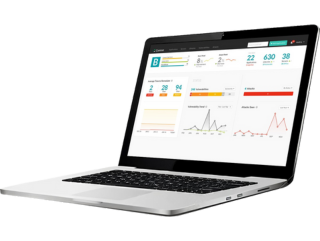
Runtime Security is defined as protecting software everywhere it runs. Typically, runtime is thought of as relating to the production phase of the Software Development Life Cycle (SDLC), but it actually extends through the entire SDLC — from development, to testing, and onto runtime production, as well as across the full application stack, covering frameworks, applications and application programming interfaces (APIs), libraries code, and custom code.
Runtime Security addresses the root cause of application security issues by monitoring and protecting applications during their execution. It actively analyzes the application's behavior, data flow and operational context to identify and potentially mitigate or send alerts regarding security threats in real time. This approach offers immediate defense against attacks and vulnerabilities while the application is running, as opposed to static security measures that are applied during the development phase. It empowers development to enhance application health and enables operations teams to manage application security threats more effectively, resulting in improved security and reduced costs.
Runtime Security takes a zero-trust approach to application security by embedding intelligent agents directly into code, arming applications with smart sensors that allow you to observe and analyze software as it runs with unprecedented accuracy. This inside-out protection extends from the development environment to production, ensuring robust security wherever your applications operate. As such, Runtime Security gives visibility into runtime data, the binary code, the HTTP requests and the data flows — everything you need to identify potential vulnerabilities in real time. This provides developers early feedback so they can fix vulnerabilities before merging their code. That same runtime agent continues to protect the application in production as well, stopping any zero-day vulnerabilities that become exploitable.
Contrast's Runtime Security — including IAST (Interactive Application Security Testing), RASP (Runtime Application Self-Protection) and runtime SCA (Software Composition Analysis) — actively monitors and analyzes application behavior in real time, identifying and potentially blocking threats as they occur. In contrast, static analysis, a traditional approach, examines the application's codebase without executing it, identifying vulnerabilities based on predefined patterns. Runtime Security offers real-time protection and insights, while static analysis provides a preliminary vulnerability assessment during the development phase.
Runtime Security prevents potential exploits in production and stops insecure programming in development. All application vulnerabilities can be seen and fixed in real time in development, testing, and in production. All from one platform.
Through a single, unified Runtime Security platform, Contrast Security delivers continuous, contextual and comprehensive protection with in-depth application observability, autonomous security testing and zero-day threat protection for all applications. Contrast Security’s Runtime Security elevates the current Application Security (AppSec) operating model with better technology to drive faster, more accurate results. This in turn empowers developers and leads to innovation, collaboration and defensible security.
Our Runtime Security tool provides real-time protection and deep insights into your applications' operations. This includes:

